Author: William Corey

Is Arizona Ash Wood Good For Anything? (11 Quick Facts)

Is Arizona Ash Wood Good For Anything? (11 Quick Facts)

Arizona ash wood is commonly referred to as Velvet ash. You can readily insinuate this wood is native to Arizonian regions from the name. But more importantly, we expect you want to know the quality of this wood. Specifically, what is Arizona ash wood good for? Arizona ash wood is…

Is Apple Tree Wood Good for Anything? (10 Quick Facts)

Is Apple Tree Wood Good for Anything? (10 Quick Facts)

Apple trees are beautiful, especially in the fall, with multiple fruits hanging from them. It can grow up to 40 feet. However, most people prune them to 10 feet to make it easier to pick the fruit. The apple tree blossoms are delicate and white, with a hint of pink…

Can Teak Furniture Be Left Outside? 10 Important Tips

Can Teak Furniture Be Left Outside? 10 Important Tips

Teak is regarded as one of the hardest wood globally, with an approximate lifespan of about 75 to 100 years.  When used in furniture, teak can stay for up to 40 to 50 years if properly maintained.  Teak furniture does not require any special maintenance or handling. Naturally, it can…

Is Leyland Cypress Wood Good For Anything? (9 Quick Facts)

Is Leyland Cypress Wood Good For Anything? (9 Quick Facts)

The Leyland cypress tree is one of the most popular privacy trees for homeowners. It came about in 1888 by crossing two other cypresses, the Alaska cedar and Monterey cypress. The result was a large, fast-growing tree that is both disease-resistant and drought-tolerant. The tree grows so quickly that it…

Using Oil On Acacia Wood? (5 Quick Tips You Should Know)

Using Oil On Acacia Wood? (5 Quick Tips You Should Know)

Acacia wood is obtained from Acacia trees, which grow in Africa, Asia, Australia, and other tropical regions. In most cases, Acacia wood is used in outdoor furniture because of its natural ability to withstand any weather condition and bug attack.  Acacia belongs to the hardwood category, which is very useful…

Is Tulip Tree Wood Good for Anything? (8 Quick Facts)

Is Tulip Tree Wood Good for Anything? (8 Quick Facts)

If you live in the eastern parts of the United States, you know what tulip trees are. These trees are everywhere, especially in Tennessee, Indiana, Kentucky, West Virginia, Pennsylvania, and Virginia.  The trees, otherwise referred to as yellow poplars or American tulip trees, belong to the Magnolia family. Tulips are…

Is Willow Wood Good for Anything? (10 Quick Facts)

Is Willow Wood Good for Anything? (10 Quick Facts)

Willow wood is among the most popular wood options available for different uses. This includes creating cricket bats and shelterbelts, reducing the bloats in ruminants, and developing agroforestry schemes.  It’s known for being a very useful plant option on a smallholding. You can employ it as a hedging plant, for…

Is Buckthorn Wood Good For Anything? (10 Quick Facts)

Is Buckthorn Wood Good For Anything? (10 Quick Facts)

Buckthorn is an invasive species in North America. It was introduced in the early 1800s as a hedge plant and ornamental shrub and has become widespread across the Northeast and from Michigan to Minnesota. Buckthorn is now a common plant of many Midwest states, and along the East Coast, with…

Is Fig Wood Good for Anything? (10 Facts With Pictures)

Is Fig Wood Good for Anything? (10 Facts With Pictures)

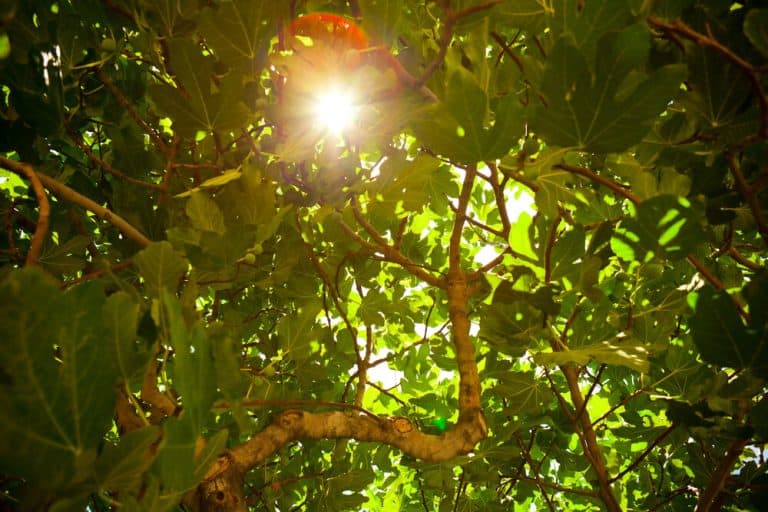
Fig trees are a Northern Asia native. The fig tree family consists of more than 800 ornamental and indoor plants. These trees have been in existence for 9,000 years. The common fig has beautiful broad palmate leaves, which resemble the human hand. Other species have different-looking leaves like oval, undulate,…

Is Crabapple Wood Good for Anything? (9 Quick Facts)

Is Crabapple Wood Good for Anything? (9 Quick Facts)

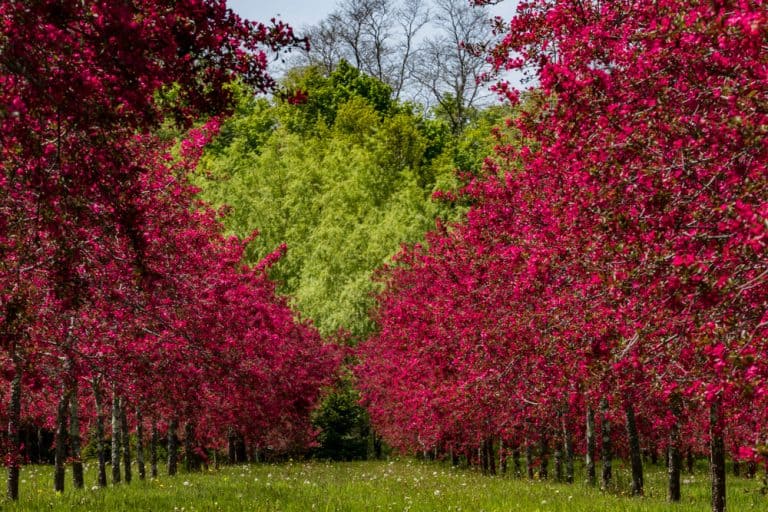
Crabapple trees are members of the Rosaceae family. This family also includes notable fruits such as pears, roses, plums, cherries, and peaches. Crabapples have been around since Roman times. People used them primarily for cooking until the 1700s. After that, people began to love them for their ornamental qualities in…